When it comes to the installation of ADA detectable warning panels, it’s crucial to get it right. These panels enhance safety for visually impaired individuals. I remember the first time I saw these panels in action. I was at a busy intersection, and I noticed how they guided people safely across the street. It made me appreciate the importance of proper installation. Let’s dive into how to install these panels efficiently, both cast in place and surface applied.
Understanding ADA Detectable Warning Panels
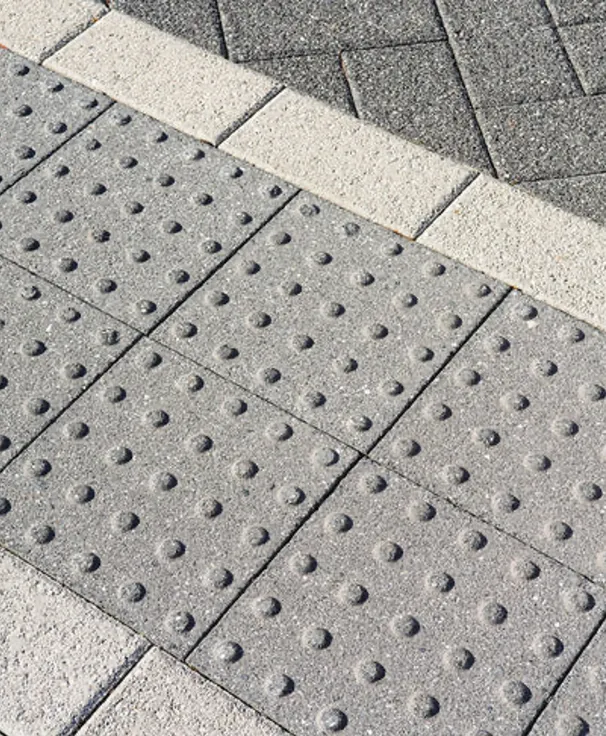
ADA detectable warning panels are textured surfaces that alert those with visual impairments. They help in identifying transitions between different surfaces, like sidewalks and streets. The panels feature raised domes that provide tactile feedback. This feedback is vital for those using canes or other assistive devices.
Installation Methods
There are two main methods for installing these panels: cast in place and surface applied. Each method has its advantages. Here’s a breakdown:
Cast In Place Installation
This method involves embedding the panels directly into the concrete. Here’s how it works:
- Prepare the site by removing old pavement or debris.
- Pour the concrete into the mold.
- Set the panels into the wet concrete, ensuring they are level.
- Allow the concrete to cure fully before opening the area to foot traffic.
When I was involved in a cast in place project, the tactile feedback of the panels was impressive. You could feel the difference immediately.
Surface Applied Installation
Surface applied panels are installed on top of existing surfaces. This method is often quicker and easier. Here’s a simple guide:
- Clean the surface thoroughly to ensure adhesion.
- Use a strong adhesive to attach the panels.
- Press down firmly and allow the adhesive to set.
I once watched a crew install surface applied panels in less than an hour. It was amazing to see how quickly they transformed the area!
Choosing the Right Panels
Not all panels are created equal. When selecting ADA detectable warning panels, consider the following:
- Material: Look for durable options that withstand weather and wear.
- Color: Ensure they contrast with the surrounding surface for visibility.
- Compliance: Check that they meet ADA guidelines.
For instance, I always recommend checking out truncated dome tiles due to their effectiveness and durability.
Final Thoughts
Installing ADA detectable warning panels is an important task. It can greatly enhance safety in public spaces. Whether you choose cast in place or surface applied methods, make sure to follow the guidelines carefully. With the right approach, you can help create a safer environment for everyone.